Why Choose Pallet Storage for Your Warehouse Needs?

Time:2026-09-03 Author:Madeline
0%

As warehouse management evolves, many businesses are increasingly turning to pallet storage solutions. According to a report by the Material Handling Industry Association, effective pallet storage can improve warehouse space utilization by up to 40%. This significant improvement illustrates the growing importance of maximizing storage efficiency in logistics.

James W. Hartfield, a renowned expert in supply chain management, emphasizes, "Pallet storage is not just a choice; it's a necessity for modern warehouses." With this in mind, companies must consider how pallet storage can enhance their operations. The flexibility in configuration allows businesses to adapt to changing inventory needs, which is vital in today's fast-paced market.

However, it's essential to evaluate the potential downsides. Incorrect setup or poor maintenance can lead to inefficient use of space. Companies should also reflect on their current systems to identify areas of improvement. Ultimately, pallet storage is a powerful tool that, when implemented wisely, can lead to substantial gains in productivity and efficiency.
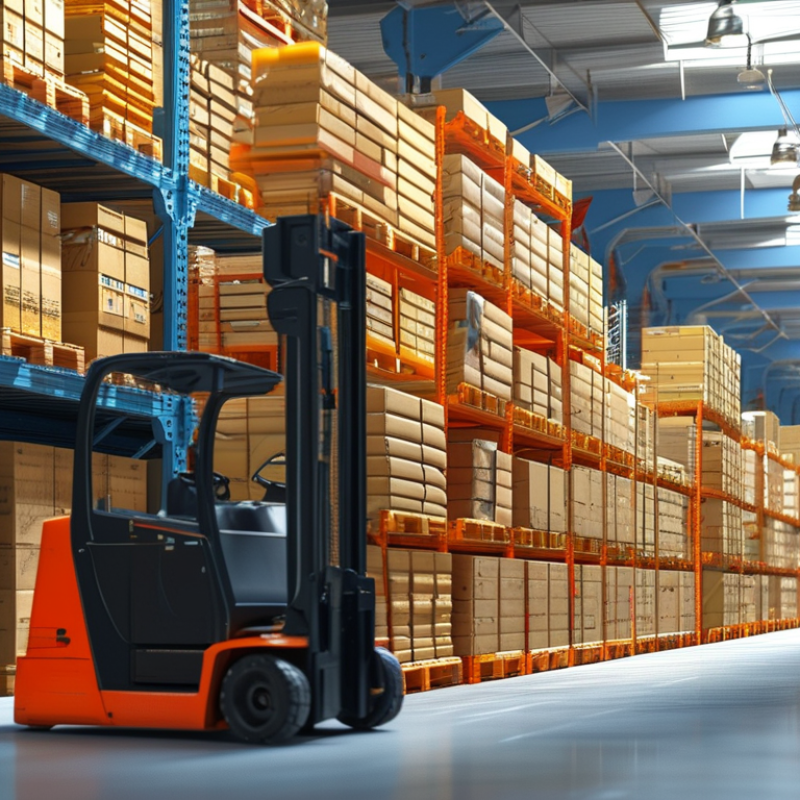
Why Choose Pallet Storage for Your Warehouse Needs?

Understanding the Basics of Pallet Storage Systems

Pallet storage systems are essential in modern warehousing. They allow for organized, efficient use of space. A basic pallet system includes racks, pallets, and forklifts. This setup ensures that goods are easily accessible and reduces the risk of damage. With a well-implemented system, inventory management becomes simpler.

However, the effectiveness of pallet storage depends on proper design. Factors like warehouse layout, the type of products, and frequency of access are crucial. A poorly designed system can lead to congestion. This can slow down operations and impact productivity negatively. Regular evaluation of storage needs is necessary. What works today might not meet tomorrow’s demands.

Pallet types also vary. Standard wooden pallets are common, but plastic options exist too. Each type has pros and cons. Wooden pallets can splinter, affecting product integrity. Plastic pallets may seem durable but can be more expensive. Balancing cost and usability is essential when selecting materials. Understanding these basics can help warehouse managers make informed choices.

Advantages of Using Pallet Storage in Warehouse Management

Pallet storage is a practical choice for efficient warehouse management. It offers multiple advantages that can enhance your operations. First, it maximizes vertical space. By stacking pallets, you can utilize overhead areas, increasing storage capacity without expanding the warehouse footprint. This method allows for better organization and quicker access to goods.

A well-designed pallet storage system can improve inventory accuracy. When products are stored on pallets, it simplifies tracking and monitoring inventory levels. Easily identifiable labels can be attached, leading to reduced errors in order fulfillment. Timely information on stock levels helps prevent overstocking or stockouts.

Consider the layout of your warehouse. Different types of pallet racking systems can be employed depending on your needs. Adjust your storage design periodically to reflect changes in product lines. Regularly review your pallet arrangement for optimal efficiency. This practice might reveal areas for improvement that were previously overlooked, leading to enhanced productivity over time.

Types of Pallet Storage Solutions Available in the Market

When it comes to pallet storage, various solutions cater to distinct warehouse needs. These storage systems optimize space while ensuring that goods remain accessible. One popular option is selective pallet racking. It allows for easy access to each pallet. This system maximizes efficiency but might require a larger footprint.

Drive-in and drive-through racking systems provide dense storage for high-volume items. With these systems, forklifts can enter the racking structure, saving time and space. However, they may lead to inventory management challenges. Manufacturers often find it tricky to ensure proper rotation of goods.

Another solution is pallet flow racking. It uses gravity to move pallets along a sloped track. This streamlines the picking process and minimizes labor costs. Yet, the initial investment can be higher. Each solution has its pros and cons, requiring careful evaluation before implementation. Not every warehouse will benefit from the same system. Flexibility and adaptability are essential.

Why Choose Pallet Storage for Your Warehouse Needs? - Types of Pallet Storage Solutions Available in the Market

Type of Pallet Storage Description Advantages Ideal For
Selective Pallet Racking A common racking system allowing direct access to the pallets. High accessibility and flexibility. General storage needs.
Drive-In Racking Allows forklifts to drive into the rack to pick and store pallets. Space-efficient for high-density storage. Bulk storage items.
Push Back Racking Utilizes a series of carts to hold pallets, allowing them to move backward as new pallets are added. Maximizes storage space while providing good access. Items with varying demand rates.
Mobile Racking Racking units mounted on mobile bases that can be moved to create aisles. Maximizes storage area while saving space. Limited warehouse space.
Cantilever Racking Supports long and bulky items with arms extending from a vertical frame. Highly adaptable for different item sizes. Lumber, pipes, and large materials.

Factors to Consider When Choosing Pallet Storage

Choosing the right pallet storage system for your warehouse involves several key factors that can significantly impact efficiency and safety. One important consideration is the type of pallets you plan to use. Standard wooden pallets are durable but can vary in quality. Inspecting pallets for any damages or splinters is crucial to ensure product safety. Metal or plastic pallets offer a hygienic and often lighter alternative, yet they come with higher costs.

Another factor to evaluate is the warehouse layout. A well-designed layout that maximizes vertical space can lead to better accessibility and inventory management. Think about the flow of goods and how often each product is accessed. Some pallets allow stacking but require proper training for staff to avoid accidents. It's also essential to have considerations for climate; temperatures and moisture can affect certain materials.

Keep in mind that flexibility is key. Your storage needs may change over time, so consider systems that can adapt. It's a balance between immediate needs and future growth. While there is no one-size-fits-all solution, discussing the specific requirements with experts can provide valuable insights. Reflect on your current setup too; periodic assessments can highlight areas needing improvement, leading to better overall operations.

Best Practices for Efficient Pallet Storage Implementation

Efficient pallet storage is crucial for maximizing warehouse space and improving operational efficiency. Implementing best practices can significantly enhance productivity. According to a report from the Warehousing Education and Research Council, effective pallet storage systems can increase storage density by 20% to 40%. This statistic highlights the importance of a smart layout and strategic stacking methods.

Proper training for staff is essential. Well-trained employees can reduce accidents and improve handling efficiency. Research indicates that warehouses with comprehensive training programs experience 30% fewer workplace incidents. This not only fosters a safer environment but also leads to smoother operations.

Regular audits of your pallet storage system can identify potential issues. For instance, outdated equipment or inefficient layouts can hinder operations. Many warehouses overlook the need for these assessments. However, proactive evaluation is key to enhancing long-term efficiency. Understanding how to adapt and improve processes is critical for success in pallet storage.

FAQS

: What are pallet storage systems?

: Pallet storage systems organize goods in warehouses. They include racks, pallets, and forklifts.

Why is proper design important for pallet storage?

Proper design affects efficiency. A poorly designed system can cause congestion and slow down operations.

What types of pallets are commonly used?

Common pallets are wooden and plastic. Each type has pros and cons to consider.

How can pallet choice affect product safety?

Damaged wooden pallets can splinter, risking product integrity. Proper inspection is necessary while choosing pallets.

What should be considered in warehouse layout?

A good layout maximizes vertical space. It should also facilitate smooth goods flow and improve accessibility.

How can storage needs change over time?

Business demands might fluctuate. Storage systems should adapt to be effective long-term.

Why is regular assessment of storage systems important?

Periodic evaluations reveal areas for improvement. They ensure the system meets current and future needs.

Can climate affect pallet choice?

Yes, temperatures and moisture can impact certain pallet materials. Consider climate when selecting pallets.

How can training impact pallet storage safety?

Proper training helps staff stack pallets safely. It can prevent accidents and improve safety in the warehouse.

What is the role of flexibility in pallet systems?

Flexibility allows systems to adjust to changing demands. It's vital for accommodating growth and evolving needs.

Conclusion

Pallet storage is an essential component of effective warehouse management, providing a systematic way to store and organize goods. By understanding the basics of pallet storage systems, businesses can take advantage of the numerous benefits they offer, such as maximizing space utilization and improving accessibility. Different types of pallet storage solutions are available, each suited to specific needs, so it is vital to evaluate these options carefully.

When considering pallet storage, key factors such as load capacity, warehouse layout, and operational efficiency must be taken into account. Implementing best practices for pallet storage can further enhance its effectiveness, ensuring that the system integrates smoothly into the overall warehouse operations. By choosing the right pallet storage solution, businesses can optimize their inventory management and contribute to smoother logistics processes.

Madeline

Madeline

Madeline is a dedicated marketing professional with a wealth of expertise in our company's core offerings. With a keen understanding of the industry, she brings a unique perspective to her role, consistently delivering high-quality content that highlights the superior aspects of our products. As......