Pallet Flow Storage is a key solution for modern warehouses. This system enhances efficiency by allowing pallets to flow through a system of inclined tracks. As noted by industry expert John Smith, “Pallet Flow Storage revolutionizes how products are stored and accessed.” This method minimizes the need for extensive manual labor, making the process faster and smoother.
The operation of Pallet Flow Storage relies on gravity and a well-designed layout. Pallets are loaded from the back and flow to the front for easy retrieval. This setup maximizes storage density while ensuring that older stock is rotated out first. It addresses challenges related to space and accessibility that many warehouses face today.
However, relying solely on this system may lead to oversight. Companies must consider their specific needs before implementation. Evaluating available space and product types is essential. While Pallet Flow Storage offers clear benefits, each warehouse has unique requirements that must not be ignored.
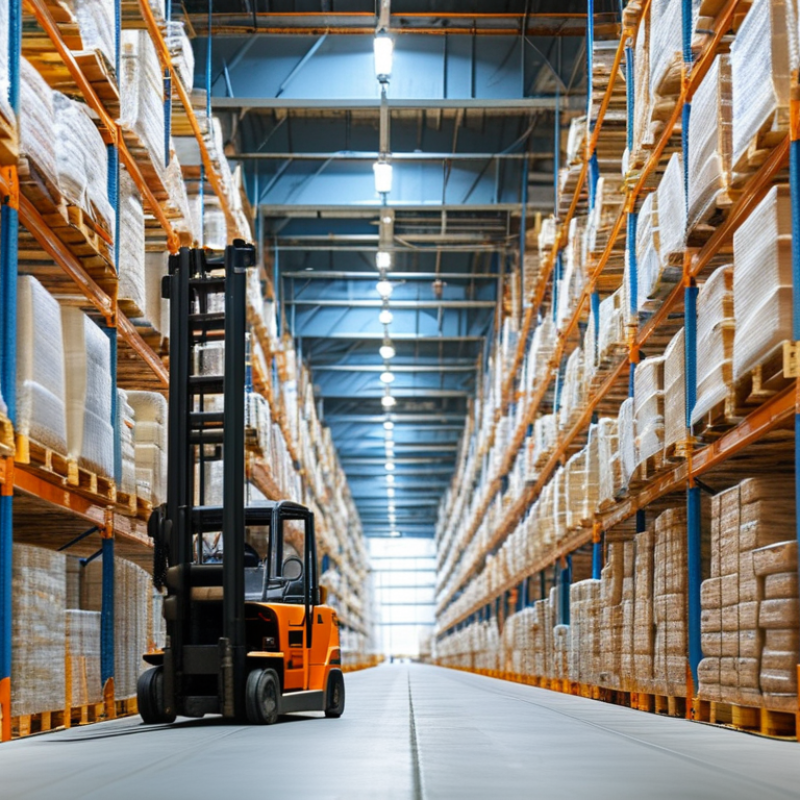
Pallet flow storage is an innovative system designed to optimize space and enhance inventory management. It employs a gravity-fed structure where pallets flow from the loading side to the picking side. This design reduces the need for heavy machinery and allows for higher-density storage. According to a report by the Material Handling Industry of America, more than 80% of warehouses could benefit from such systems.
The efficiency of pallet flow storage lies in its FIFO (First In, First Out) principle. As new pallets are loaded from the back, older ones are automatically pushed forward. This is crucial for industries where product freshness is vital, such as food and pharmaceuticals. With proper implementation, companies can expect a 20% increase in picking efficiency, leading to faster turnaround times and reduced labor costs. However, issues can arise when not enough planning is done. Insufficient lane space can lead to blockages, causing delays.
While the advantages are significant, pitfalls exist. Overloading a pallet flow system can result in jams. Also, fluctuations in product sizes and weights may affect the flow efficiency. Regular maintenance is vital to avoid operational hiccups. Data from the International Warehouse Logistics Association highlights that 30% of warehouse inefficiencies stem from equipment malfunctions, underscoring the need for careful monitoring.
Pallet flow storage systems are designed for efficiency and space utilization. They consist of several key components that ensure seamless operation. One essential element is the flow rails. These inclined tracks allow pallets to move forward under gravity. They help maintain a steady flow of goods.
Another critical component is the pallet supports. These supports hold the pallets securely in place while enabling smooth movement. They are adjustable, accommodating different pallet sizes. In addition, dividers can be used to separate various products within the same lane. This helps avoid cross-contamination and keeps inventory organized.
The system also requires a proper layout. It’s crucial to design the aisle widths based on your equipment. Narrow aisles can increase space efficiency but may complicate access. Not every warehouse can accommodate this. Furthermore, avoid overloading flow lanes. This can lead to jams and slowdowns. Regular maintenance is vital to ensure the reliability of the system. Effective monitoring can prevent costly downtime.
Pallet flow storage is revolutionizing warehouse efficiency. This system uses gravity to enable smooth product movement. By utilizing inclined tracks, pallets can glide down effortlessly. It maximizes storage density and reduces retrieval times significantly. In busy warehouses, this efficiency can lead to impressive time savings.
One notable aspect of pallet flow storage is its dynamic nature. With first-in, first-out (FIFO) principles, companies can efficiently manage inventory. However, relying solely on this system may not suit all product types. Some items have specific storage needs that require alternate solutions. Balancing different storage methods can enhance overall workflow.
Maintaining pallet flow systems is essential. Dust or debris on tracks can slow operations. Regular checks and maintenance are crucial to ensure the system runs smoothly. This attention to detail can prevent costly delays. Warehouse managers must be aware of potential issues and adapt as necessary. Recognizing these challenges leads to better warehouse performance overall.
This chart shows the efficiency of pallet flow storage in terms of space utilization, picking speed, and overall warehouse throughput. The data reflects estimated performance metrics based on various studies of warehouse operations.
Pallet flow storage systems leverage gravity to facilitate the movement of goods. Utilizing inclined roller tracks, pallets are pushed from the rear and flow forward to the picking area. The design optimizes space efficiency and improves picking speed. This system reduces the need for complex machinery. According to industry reports, pallet flow systems can increase storage density by up to 60%, making them ideal for warehouses with high turnover rates.
Understanding the principles of gravity-fed mechanisms is crucial. As pallets descend, they offer a first-in, first-out (FIFO) inventory method. This ensures older stock is used first, minimizing waste. The incline angle is vital; too steep can lead to jams, while too flat may cause inefficiencies. Regular maintenance is necessary to address wear in rolling components.
Tips: Ensure that the system setup adheres to safety standards. Regularly inspect the flow path for obstructions. Consider temperature control if dealing with perishable goods, as extreme conditions can impact material integrity. It’s important to observe and evaluate operational flow. Adjustments in layout or angle might be necessary to enhance functionality. Effective training for staff on accessing pallets is also critical for seamless operations.
Pallet flow storage is gaining traction in various industries for its efficiency and space-saving design. This system uses gravity and inclined lanes to move pallets automatically to the front. It's especially useful in places where quick access to a high volume of goods is necessary.
Industries such as food and beverage, pharmaceuticals, and retail increasingly adopt pallet flow systems. The food sector benefits from quick stock rotation, ensuring freshness. In pharmaceuticals, precise inventory management helps maintain safety protocols. Retailers appreciate the increased storage capacity during peak seasons.
Tip: Ensure your pallet layout minimizes gaps. This can optimize space and enhance flow efficiency.
The implementation of pallet flow storage isn’t without challenges. Companies must consider load weight and dimensions to avoid mishaps. Staff training is crucial for safety.
Tip: Regular maintenance can prevent unexpected downtime. Pay attention to the condition of rollers and tracks.
Flexibility is vital in choosing pallet flow systems. Different products require different configurations. An adaptable strategy can significantly improve operations.
: They use inclined roller tracks to move pallets forward using gravity. This optimizes space and speeds up picking.
FIFO stands for first-in, first-out. It ensures older stock is used first, reducing waste in inventory.
A steep angle can cause jams, while a flat angle may slow down the flow and lower efficiency.
Regular maintenance is crucial to check rolling components and ensure smooth operation. Don’t ignore wear and tear.
Food, pharmaceuticals, and retail industries use these systems for quick access and efficient inventory management.
Inspect the flow path regularly for obstructions and ensure the layout minimizes gaps to optimize space.
Proper training ensures safe access to pallets and reduces the risk of accidents during operations.
It's essential to think about load weight and dimensions to prevent mishaps and ensure safe operations.
Yes, temperature control is vital, especially for perishable goods. Extreme conditions can compromise material integrity.
Different products may require unique configurations. An adaptable strategy enhances functionality and improves operations.
Pallet Flow Storage is an innovative warehousing system designed to maximize space and improve efficiency by utilizing a gravity-fed mechanism. At its core, this system consists of key components such as inclined roller tracks and pallet lanes that allow pallets to flow smoothly from the loading end to the picking end. As forklifts load pallets from the rear, the front pallets are pushed forward, making retrieval seamless.
This dynamic approach significantly enhances warehouse efficiency by reducing the need for labor-intensive retrieval processes and increasing the speed of operations. Pallet Flow Storage is widely applicable across various industries, including food and beverage, retail, and pharmaceuticals, where quick access to high turnover inventory is paramount. Overall, this system embodies the principles of gravity-fed mechanisms, ultimately optimizing space while maintaining an organized storage environment.

Xinmiao Racking