Choosing Steel Containers for global shipping requires more than comparing prices and exterior dimensions. The right unit must protect cargo through port handling, rail transfers, ocean exposure, and changing weather. A seasoned shipping team checks the container’s structural condition, certification markings, door seals, flooring, ventilation, and previous cargo history. Small defects can become expensive problems. A damaged corner post may affect stacking safety. A worn gasket can allow rainwater into cartons during a week-long voyage.
Cargo type should guide every decision. Machinery may require reinforced flooring and secure lashing points. Food-related products need clean, odor-free interiors and suitable ventilation. Sensitive goods may need insulation, desiccant, or temperature monitoring. Standard dry containers often work well, but not always. That choice matters. Dimensions, payload limits, tare weight, and handling equipment must match the shipment plan. Verify technical data against current carrier and inspection requirements, rather than relying on an old supplier sheet.
Reliable sourcing also depends on documentation and inspection discipline. Request clear photographs, production details, inspection records, and evidence of recognized container safety compliance. Where possible, inspect the unit before loading. Check the roof from several angles. Open and close both doors. Look for daylight around seals. These practical steps reflect experience, not theory. Still, no selection process is perfect. Weather forecasts change, ports apply different operating procedures, and cargo information may be incomplete. A responsible decision records these uncertainties and leaves a sensible safety margin. Well-chosen Steel Containers reduce handling risks, protect product condition, and support predictable international logistics.
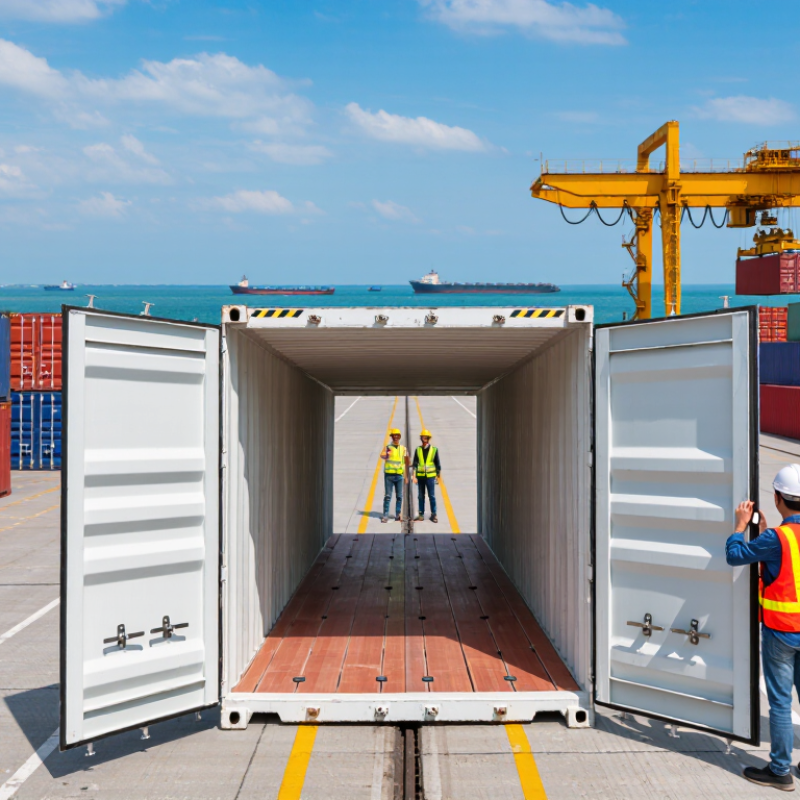
How to Choose Steel Containers for Global Shipping?
Define the Cargo, Route, and Shipping Conditions
Choosing a steel container starts with the cargo, not the container catalogue. Record dimensions, gross weight, center of gravity, and loading method. A crate of machine parts needs different internal clearance than dense metal coils. Check whether the cargo is sensitive to moisture, salt air, vibration, or temperature changes. Small details matter. I once saw a loading plan fail because the door opening was measured, but pallet turning space was ignored. That mistake delayed handling and increased labor costs.
Map the full route, including inland rail, road, port transfers, and storage time. A short sea voyage can still involve weeks outdoors. Review axle limits, bridge clearances, terminal equipment, and seasonal weather. For rough roads, inspect the container floor rating and lashing points. For humid routes, plan ventilation, desiccants, and moisture barriers. Do not assume a standard container suits every port. Local handling practices can expose weak packaging or poor weight distribution.
Define shipping conditions before selecting steel thickness or special features. Confirm stacking requirements, lifting points, door security, inspection access, and expected reuse cycles. New steel may offer cleaner interiors, while used units can show dents, rust, or worn seals. Measure them carefully. A practical inspection should include roof leaks, door alignment, floor damage, and corner-post distortion. Specifications provide confidence, but field checks reveal exceptions. Revisit the plan when cargo, route, or delivery timing changes. Even a careful choice may need revision.
| Cargo Profile | Typical Cargo Examples | Recommended Steel Container | Common External Dimensions | Approximate Internal Volume | Typical Maximum Gross Mass | Route and Handling Considerations | Required Shipping Conditions | Selection Checklist |
|---|---|---|---|---|---|---|---|---|
| General dry cargo | Cartons, packaged consumer goods, spare parts, furniture, and non-sensitive machinery | 20-foot dry container | Length: 6.06 m Width: 2.44 m Height: 2.59 m |
Approximately 33 m³ | Usually up to 30,480 kg, subject to container certification and local regulations | Suitable for standard port-to-port ocean routes, rail connections, and truck delivery. Check vessel, rail, and road weight limits separately. | Keep cargo dry and evenly distributed. Use blocking, bracing, dunnage, and moisture protection where necessary. | Confirm cargo weight, pallet dimensions, center of gravity, door clearance, and floor loading requirements. |
| High-volume, lightweight cargo | Textiles, empty packaging, insulation materials, household goods, and lightweight manufactured products | 40-foot dry container | Length: 12.19 m Width: 2.44 m Height: 2.59 m |
Approximately 67 m³ | Usually up to 30,480 kg, although payload depends on tare weight and transport rules | Efficient for long-distance sea routes when cargo volume is the main constraint. Verify inland road axle limits before booking. | Prevent cargo movement along the longer floor. Use load bars, straps, airbags, or timber bracing as appropriate. | Compare cargo volume with usable door opening, total weight, and the number of pallets that can be loaded safely. |
| Extra-height cargo | Bulky but stackable goods, large packaging, lightweight equipment, and tall palletized cargo | 40-foot high-cube container | Length: 12.19 m Width: 2.44 m Height: 2.90 m |
Approximately 76 m³ | Often up to 30,480 kg, subject to the container's rating and route restrictions | Provides about 30 cm more internal height than a standard container. Confirm bridge, tunnel, rail, and terminal clearance on inland legs. | Use the additional height without exceeding door clearance or creating an unstable center of gravity. | Measure the highest cargo unit, including pallets and protective packaging. Confirm overhead clearance throughout the route. |
| Heavy, dense cargo | Metal components, stone products, industrial parts, machinery, and boxed dense materials | 20-foot dry container | Length: 6.06 m Width: 2.44 m Height: 2.59 m |
Approximately 33 m³ | Often selected because its shorter floor helps concentrate weight within road and rail limits; verify the certified gross mass | Plan the complete multimodal route. Local axle limits may be lower than the container's maximum allowable gross mass. | Distribute weight over the floor, avoid point loading, and use certified lifting and securing equipment. | Calculate total gross mass, floor pressure, lifting points, center of gravity, and required cargo-securing method. |
| Oversized or unusually shaped cargo | Long pipes, structural members, timber, vehicles, industrial frames, and cargo that cannot be loaded through standard doors | Open-top container Flat-rack container |
Common length: 6.06 m or 12.19 m Width: approximately 2.44 m |
Depends on the equipment and cargo profile | Varies by container type and shipping line; confirm the equipment rating before loading | Requires route approval, special handling, and possibly out-of-gauge declarations. Not every service accepts over-width or over-height cargo. | Protect cargo from weather, verify lashing points, and prepare lifting plans for cranes or spreader equipment. | Record cargo length, width, height, weight, center of gravity, lifting points, and all over-dimension measurements. |
| Temperature-sensitive cargo | Fresh produce, pharmaceuticals, frozen foods, chemicals, and other goods requiring controlled temperatures | Refrigerated container | Common length: 6.06 m or 12.19 m External height: approximately 2.59 m or 2.90 m |
Approximately 28–67 m³, depending on size and equipment design | Varies by equipment type; confirm the rating and reduced payload caused by refrigeration machinery | Choose routes with reliable power connections and monitoring. Allow for terminal plug-in procedures and possible transshipment delays. | Define temperature range, ventilation, humidity, pre-cooling, data logging, and emergency power requirements. | Confirm commodity set point, packaging airflow, shelf life, power availability, and acceptable temperature excursion limits. |
| Moisture-sensitive cargo | Steel products, machinery, electrical equipment, paper goods, textiles, and hygroscopic materials | Dry container with moisture control | Common length: 6.06 m or 12.19 m Width: approximately 2.44 m |
Approximately 33–76 m³, depending on container size and height | Subject to the container's certified gross mass and the route's inland limits | Consider tropical routes, monsoon seasons, long dwell times, and large temperature changes between day and night. | Use dry packaging, desiccants, vapor barriers, ventilation planning, and protection against container rain. | Assess cargo moisture sensitivity, packaging permeability, voyage duration, expected climate, and condensation risk. |
| Hazardous or regulated cargo | Flammable liquids, corrosive substances, compressed gases, batteries, and other regulated materials | Approved container equipment | Common length: 6.06 m or 12.19 m Exact equipment depends on cargo classification |
Depends on the selected container and packing arrangement | Subject to container rating, dangerous-goods rules, packing limits, and route restrictions | Check acceptance by vessel, terminal, rail, and road operators. Some ports and countries impose additional documentation or segregation rules. | Follow the applicable dangerous-goods regulations, use compliant packaging and labels, and provide accurate declarations and emergency information. | Verify proper shipping name, UN number, hazard class, packing group, quantity, compatibility, and documentation. |
| Long or rollable cargo | Coils, cable drums, rolled materials, reels, and cylindrical industrial products | Dry container with engineered securing Flat-rack when necessary |
Common length: 6.06 m or 12.19 m Internal width is generally close to 2.35 m |
Depends on the cargo diameter, length, and securing arrangement | Depends on cargo concentration, floor strength, and equipment rating | Plan for concentrated loads and dynamic forces during ocean, rail, and road movement. Obtain approval for non-standard loading patterns. | Use saddles, chocks, wedges, lashings, and load-spreading materials designed for the cargo mass. | Calculate point loads, rolling risk, center of gravity, securing angles, and access for loading and unloading. |
| Cargo exposed to rough handling | Robust machinery, construction materials, agricultural equipment, and export goods moved through multiple transfers | Steel dry container with enhanced protection | Common length: 6.06 m or 12.19 m Standard width: approximately 2.44 m |
Approximately 33–76 m³ | Based on the certified container rating and total route limitations | Prioritize structural condition, sound door seals, secure flooring, and compatibility with repeated crane and handling operations. | Use impact protection, internal bracing, anti-slip materials, and corrosion protection where required. | Inspect the floor, corner posts, roof, doors, locking bars, gasket condition, odor, cleanliness, and CSC plate validity. |
Record cargo length, width, height, gross weight, and center of gravity. Measure pallet turning space, not only the door opening. Small gaps matter. Note moisture, salt air, vibration, and temperature risks.
Map every road, rail, port, and storage stage. Check bridge clearances, axle limits, terminal equipment, and seasonal weather. A short sea journey may still include weeks outdoors. Rough roads require strong floors and reliable lashing points.
A shorter unit often suits dense machinery or heavy pallets. A longer unit provides more floor space for lighter, bulky cargo. Higher interiors help with cartons and tall equipment. Fit matters more than unused volume.
Check internal length, width, height, door opening, tare weight, and maximum gross mass. Confirm practical clearance for loading, lashing, inspection, and unloading. Measure twice. Catalogue dimensions may not match every real container.
Inspect roof panels, door seals, and floor condition. Use ventilation, desiccants, and moisture barriers when the route is humid. Keep cargo away from wet surfaces. Protection can still fail if packaging remains weak.
Check roof leaks, door alignment, floor damage, rust, worn seals, and corner-post distortion. Look for dents that restrict opening or reduce usable space. Photographs help document existing damage. Field checks reveal exceptions.
Compare the full cost, not only the purchase price. Include inland transport, port handling, inspection, documents, coating, repairs, and storage. Request an itemized quotation. A cheap unit may become expensive quickly.
Review production records, quality procedures, lead times, and spare-part support. Request recent inspection reports and clear product photographs. An independent inspection can reveal weak welds or poor door alignment. I still may miss hidden defects.
New units often provide cleaner interiors and more predictable condition. Used units may offer lower purchase costs but show rust, dents, or worn seals. Estimate repairs, cleaning, storage, and realistic voyage cycles. No forecast is exact.
Choosing the right Steel Containers for global shipping begins with a clear understanding of the cargo, destination, transport route, and expected shipping conditions. Consider the cargo’s weight, dimensions, loading method, sensitivity to moisture, and handling frequency before selecting a suitable container type and size. The container should provide enough internal space without excessive unused capacity, while supporting safe and efficient loading.
Next, assess the steel grade, structural strength, corrosion protection, doors, locking systems, ventilation, and flooring. These features should match the cargo and the risks associated with ocean, rail, road, or multimodal transportation. Confirm that the containers meet applicable international standards and certification requirements, including those related to lifting, stacking, inspection, and handling. Finally, compare the total cost rather than only the purchase price, taking into account maintenance, transport efficiency, service support, and expected reuse. A durable, compliant, and reusable container can reduce long-term expenses while improving cargo protection and operational reliability.

 Xinmiao Racking