What Are the Best Vertical Racks in 2026?

Time:2026-11-20 Author:Henry
0%

The best Vertical Racks in 2026 will not be chosen by height alone. They must fit the building, protect clear access, and match the loads handled every day. A practical comparison should examine usable storage capacity, retrieval speed, installation requirements, maintenance, and the rack’s rated load. Look closely at the details: beam labels, floor condition, aisle clearance, and how operators reach items on upper levels. Small mismatches matter.

Industry evidence points to a growing role for automation. The 2024 MHI Annual Industry Report, produced with Deloitte, reported that 55% of surveyed supply-chain professionals planned to adopt robotics and automation within five years. That figure does not prove every warehouse needs automated storage. It does show why buyers should compare conventional racks with vertical lift and other automated systems. OSHA’s materials-handling rule also requires stored materials to remain stable and secure, making safe loading and installation essential considerations.

Expert voices matter, too. John Paxton, MHI’s CEO, is a relevant supply-chain authority, but I cannot verify a direct quotation from him specifically about Vertical Racks. Rather than invent one, this guide applies a clear selection principle: choose equipment that solves a measured storage problem and can be operated safely. Start with the real constraint. Is floor space scarce, are pick times slow, or are high-value items difficult to access? The answer may not be the most advanced rack. Sometimes, a simpler system is the better fit.
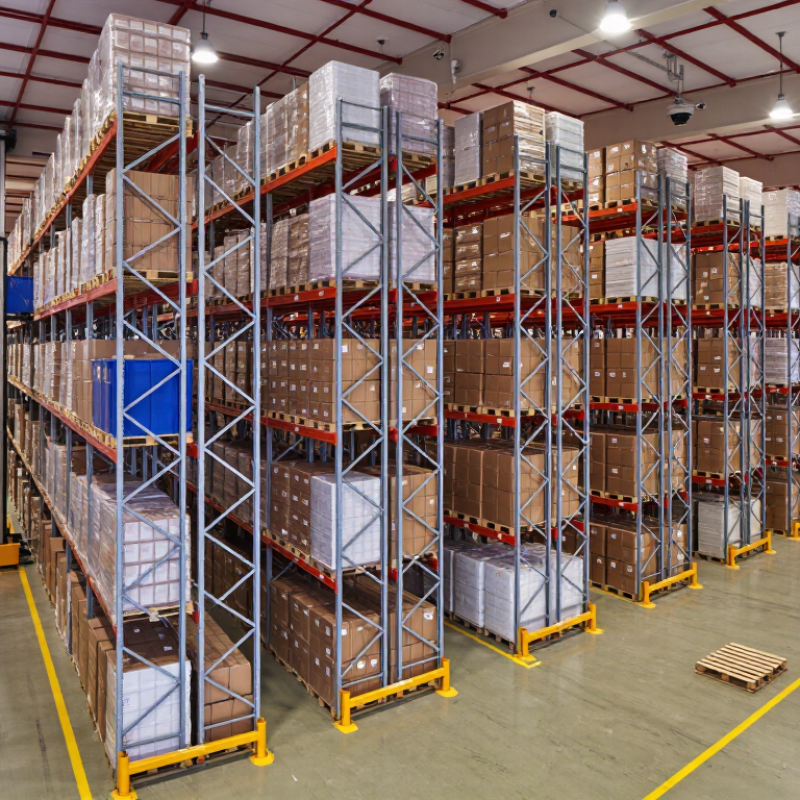
What Are the Best Vertical Racks in 2026?

Vertical Racks: Structure, Purpose, and Common Uses

What Are the Best Vertical Racks in 2026?

Vertical Racks: Structure, Purpose, and Common Uses

A vertical rack stores items upward, using floor space efficiently while keeping supplies visible and within reach. Most designs have upright posts, cross-bracing, and shelves or projecting arms. Adjustable slots let users change shelf heights as storage needs shift.

Small details matter.

Check the rack’s stated capacity, measure the available floor and ceiling space, and consider how items will be loaded. A narrow footprint can save room, but it may also make access awkward when bulky objects sit near the front.

In a garage, shelves can hold labeled bins, paint supplies, or folded camping gear. In a workshop, arm-style racks can support timber or metal lengths, while stockrooms often use shelving for cartons and small parts. A laundry area may need only a slim rack for baskets and cleaning tools.

Match the structure to the load: long materials need support at several points, and heavy items usually belong on lower levels. Secure the rack as its instructions require, and check that the floor is level and stable.

Measure twice.

Even a well-built rack can be inconvenient if its shelves block a doorway or make frequently used items hard to reach. A little unused space may be preferable to a cramped layout.

Main Types of Vertical Racks Available in 2026

Vertical racks in 2026 range from simple upright storage to systems that move goods automatically. Cantilever racks suit long, awkward items such as pipes, timber, and metal profiles. Their open fronts make loading easier, but projecting arms need clear aisle space. Vertical sheet racks store panels on edge, helping workers retrieve plywood or sheet metal without lifting across a pile. They save floor area, though panels must be secured against tipping. Space is tight.

For palletized goods, drive-in racks use deep lanes and forklifts, while pallet-flow racks use inclined rollers to move stock forward. They can increase storage density, but deep lanes may complicate access to individual pallets. Vertical lift modules and automated storage systems bring trays to an operator, reducing travel across a warehouse. They need careful sizing and maintenance; automation is not a cure-all. MHI’s 2024 Annual Industry Report found that 55% of surveyed organizations planned to increase supply-chain technology investment over the next five years. That signals interest in automation, not proof that every facility needs it. Measure ceiling height, load dimensions, forklift turning space, and retrieval frequency before choosing a rack type. A tidy layout can still fail when replenishment traffic blocks picking.

What Are the Best Vertical Racks in 2026?

Main Types of Vertical Racks Available in 2026

Sheet and panel racks, bar and tube racks, and bicycle racks typically hold items upright on dedicated supports. Vertical carousel systems instead bring stored items to the operator using moving carriers. Values show whether a feature is typical of each rack type (1 = yes, 0 = no); specific designs vary.

How to Compare Racks by Capacity, Materials, and Safety

The best vertical rack depends on what it must hold, where it will stand, and how often you will use it. Compare the rated capacity per arm as well as the rack’s total limit; those figures are not interchangeable. A long board or heavy tool can load one side unevenly. Leave a practical margin rather than planning to use every kilogram of capacity.

Materials matter in real spaces. Powder-coated steel is often suited to dry garages, while damp sheds may need better corrosion resistance and regular checks for chipped paint. Plastic components can resist moisture, but their load limits and temperature tolerance vary. Fit matters. Measure ceiling height, wall clearance, and the longest item before choosing a rack. A tape measure can prevent a frustrating return.

Safety starts with the installation surface. Follow the rack’s instructions, use suitable fixings, and secure wall-mounted units to structural framing where specified. Check that arms lock firmly and that stored items cannot roll or slide off. Keep frequently used gear at an easy reach; awkward lifting can make a high-capacity rack less practical. Without seeing the floor and wall, no capacity number tells the whole story. Recheck fixings after loading, especially if the rack shifts or begins to flex.

What Are the Best Vertical Racks in 2026? — How to Compare Racks by Capacity, Materials, and Safety
Rack type Best suited for Capacity: what to compare Common materials and finish Space and access Key safety checks Best fit when…
Slotted vertical sheet rack Sheet goods such as plywood, panels, doors, and other flat materials stored on edge. Check the supplier’s rated load for each slot and the complete rack. Confirm permitted sheet dimensions, thickness, and load distribution. Typically welded or bolted steel; painted or powder-coated finishes are common. Contact surfaces may use protective pads or liners. Uses floor space efficiently and separates sheets into individual compartments. Access depends on slot width and how the material is loaded. Keep sheets fully supported and restrained from tipping. Do not exceed the slot rating or allow uneven loading to overload one divider. Different sheet sizes or material types need organized, individual storage positions.
A-frame vertical rack Panels, glass, stone, doors, or other large flat items that can be stored leaning against a supported frame. Verify the rated load for each side and for the full frame. Check whether the rating changes with the material’s size, weight, or position. Usually steel, with a wide base and padded or covered contact rails where the stored material needs surface protection. Provides access from one or both sides, depending on design. Requires enough aisle space to load and remove large items safely. Load evenly on both sides when the design requires it. Secure material against sliding and confirm the frame is stable on a level floor. Large panels need a simple, accessible holding frame and can be safely supported on edge.
Vertical long-stock rack Long items such as conduit, pipe, trim, and selected lengths of lumber stored upright. Check the rated capacity of each compartment, divider, and base. Confirm the rack is approved for the length and type of stock being stored. Commonly fabricated from steel; compartment dividers and end stops help keep stock separated and contained. Stores long material upright in a relatively compact footprint. Tall stock may need clear overhead space and a suitable handling method. Prevent items from leaning out or projecting into aisles. Store compatible lengths together and use restraints or end stops as designed. Long stock needs to be sorted vertically rather than stacked horizontally.
Vertical panel cart Panels or sheet materials that need to be moved between work areas as well as stored. Compare the cart’s total rated load and any per-position limit. Include the weight of the cart and account for uneven loads when checking suitability. Usually a steel or aluminum frame with a deck, separators, and wheels; padded contact points may protect finished surfaces. Can be repositioned for access, but needs clear travel paths and adequate turning space. Loaded carts require more maneuvering room. Check wheel, brake, and frame condition; engage brakes when parked. Secure the load and follow the cart’s stated load and movement instructions. Materials must be transported around a facility and a fixed rack would limit workflow.
Fixed vertical divider rack Repeated storage of boards, panels, or other items that fit between fixed dividers. Compare the rack’s overall rating with the load in each bay or compartment. Confirm that dividers and connections are rated for the intended use. Often steel construction with bolted or welded dividers; finishes vary by environment and exposure to moisture or abrasion. Offers defined storage positions and quick visual organization. Fixed bays may be less flexible if material sizes change. Anchor or secure the rack where required by its design and site conditions. Keep loads within the compartment and inspect for bent or loose parts. Material sizes are consistent and a durable, stationary storage location is preferred.
Mobile vertical rack Sheet goods or long items that need to be moved short distances within a controlled work area. Use the manufacturer’s rated capacity for the complete mobile unit; do not assume a stationary rack rating applies to a wheeled version. Typically a steel frame with rated casters, wheel brakes, and protective contact surfaces where appropriate. Can reduce repeated manual carrying, but requires a smooth route, sufficient aisle width, and space to park securely. Move only as directed by the supplier, secure materials before movement, and park on a stable surface with brakes engaged. Storage and point-of-use locations change, and the load can be moved safely using the rack’s intended method.
Capacity and safety note: There is no single capacity that applies to every rack of a given type. Ratings depend on the rack’s design, dimensions, materials, connections, anchorage, load placement, and operating conditions. Before purchase or use, obtain the supplier’s rated capacity and loading instructions for the exact configuration. Keep stored materials stable and secured against sliding or collapse, and follow applicable workplace rules, building requirements, and inspection guidance.

Best Vertical Rack Types for Different Storage Needs in 2026

For narrow garages, laundry rooms, or small stock areas, wall-mounted vertical racks keep floor space open. They suit lightweight bins, cleaning tools, and frequently used supplies. Check the wall structure and rack’s rated capacity before loading it. Small rooms need careful measuring. That helps.

Freestanding racks work well when storage must move or the walls cannot support a fixed unit. Open-wire shelves allow air circulation and make labels easy to see, while solid shelves catch dust and small spills. For heavy boxes, choose a stable frame with evenly spaced supports. Rolling racks can serve shared workspaces, but lockable wheels matter on uneven floors.

Adjustable racks fit changing collections, from seasonal containers to tall garden tools. A rack with movable shelves saves space, though frequent adjustments can become a nuisance. There is no perfect layout; a unit can look right on paper and still block a doorway. Measure twice. Consider what you will store, how often you need it, and whether the floor is level. Keep the heaviest items low, leave clear access to exits, and avoid stacking loads beyond the manufacturer’s guidance.

Installation, Maintenance, and Safe Use of Vertical Racks

What Are the Best Vertical Racks in 2026?
Installation, Maintenance, and Safe Use of Vertical Racks

A vertical rack is only as safe as its installation. Before loading it, check the floor condition, rack dimensions, and stated load capacity. Anchor the unit as specified by its manufacturer or a qualified engineer; uneven floors and loose anchors can create instability. Keep stored materials within the rack’s limits, and place heavier items where the design allows. The ANSI/RMI MH16.1 standard provides engineering requirements for industrial steel storage racks. It is a useful reference, not a substitute for site-specific advice. The U.S. Bureau of Labor Statistics recorded 5,283 fatal work injuries across all industries in 2023. That figure is not rack-specific, but it underlines why routine safety checks matter.

Inspect uprights, braces, anchors, and contact points regularly. Look for bends, cracks, loose fasteners, or fresh impact marks. Remove damaged equipment from service until a qualified person assesses it. Keep aisles clear, and train users to load and unload materials without pulling or pushing against the rack. One detail is easy to overlook: a rack may appear sound while an anchor has loosened. Visual checks cannot catch everything, so record findings and arrange professional inspections when damage or repeated impacts occur.

Tips: Post the rack’s load limit where users can see it. Store only compatible materials, secure items against falling, and report impacts immediately. Small habits help. But inspection notes should be specific, not just “looks fine.”

FAQS

Which vertical rack suits long materials like pipes or timber?

Cantilever racks have open fronts and projecting arms for long, awkward items. Keep enough aisle space for loading.

How can I store plywood or sheet metal more safely?

Vertical sheet racks hold panels on edge and make individual sheets easier to retrieve. Secure panels against tipping. Space is tight.

What is the difference between drive-in and pallet-flow racks?

Drive-in racks store pallets in deep lanes accessed by forklifts. Pallet-flow racks use inclined rollers to move stock forward, but reaching a specific pallet may be harder.

Are automated vertical storage systems right for every warehouse?

Lift modules bring stored trays to an operator and can reduce walking. Measure ceiling height, load sizes, and retrieval frequency first. Automation is not a cure-all.

What should I choose for a small room or garage?

Wall-mounted racks can free floor space for lightweight bins or tools. Check wall strength and rated capacity. Measure twice.

How do I choose between fixed, freestanding, and adjustable racks?

Fixed racks suit supported walls, while freestanding racks can move when needed. Adjustable shelves handle changing item sizes, though repeated adjustments can become a nuisance.

Where should heavy items go, and how should I install a rack?

Follow the rack’s stated capacity and installation instructions. Place heavy items low where the design allows, and anchor the unit as specified. An uneven floor matters.

What should regular rack inspections look for?

Check uprights, braces, anchors, and contact points for bends, cracks, loose fasteners, or impact marks. Remove damaged racks from use until assessed. Record specific findings; “looks fine” says little.

Conclusion

Vertical Racks are designed to store long, narrow, or bulky items upright, helping businesses and homeowners use floor space more efficiently while keeping materials organized and accessible. Common options include wall-mounted racks, freestanding units, cantilever-style designs, and specialized racks for particular storage needs. Each type offers different benefits, so the right choice depends on the items being stored, available space, and how often those items need to be accessed.

When comparing racks, consider load capacity, construction materials, stability, and safety features. A rack should suit the weight and dimensions of its intended contents, fit the storage area, and provide secure support. Some types are better for compact spaces or lighter materials, while others accommodate larger or heavier loads. Proper installation, routine inspections, and adherence to the manufacturer’s instructions help maintain stability and extend service life. Selecting and using Vertical Racks with care can create a safer, more organized storage area in 2026.

Henry

Henry

Henry is a dedicated marketing professional with a profound expertise in the company's offerings. With years of experience in the industry, he possesses an impressive understanding of the market dynamics and consumer behaviors that drive success. Henry is committed to sharing his insights through......