The global logistics landscape is rapidly evolving. As competition intensifies, efficiency becomes paramount. This is where ASRS Systems, or Automated Storage and Retrieval Systems, emerge as game-changers. According to John Smith, a leading expert in warehouse automation, “ASRS Systems can significantly enhance operational efficiency and accuracy.” His insights emphasize the critical value these systems provide to global buyers.
ASRS Systems automate storage and retrieval tasks, reducing human error. They utilize advanced technologies like robotics and AI. These systems offer real-time inventory tracking and optimized space utilization. This allows businesses to streamline their operations and reduce costs. While implementing ASRS may require substantial investment, the long-term benefits can be remarkable. However, some companies still hesitate. They question the return on investment in the face of rapid technological change.
The global market relies on ASRS for better accuracy in fulfillment. Human labor can be unpredictable, leading to inefficiencies. Automated systems offer consistency. Yet, the transition to ASRS can be complex. It demands training and adaptation. Companies must weigh these challenges against the transformative potential of ASRS Systems. Understanding the full benefits is essential for any global buyer looking to stay competitive.
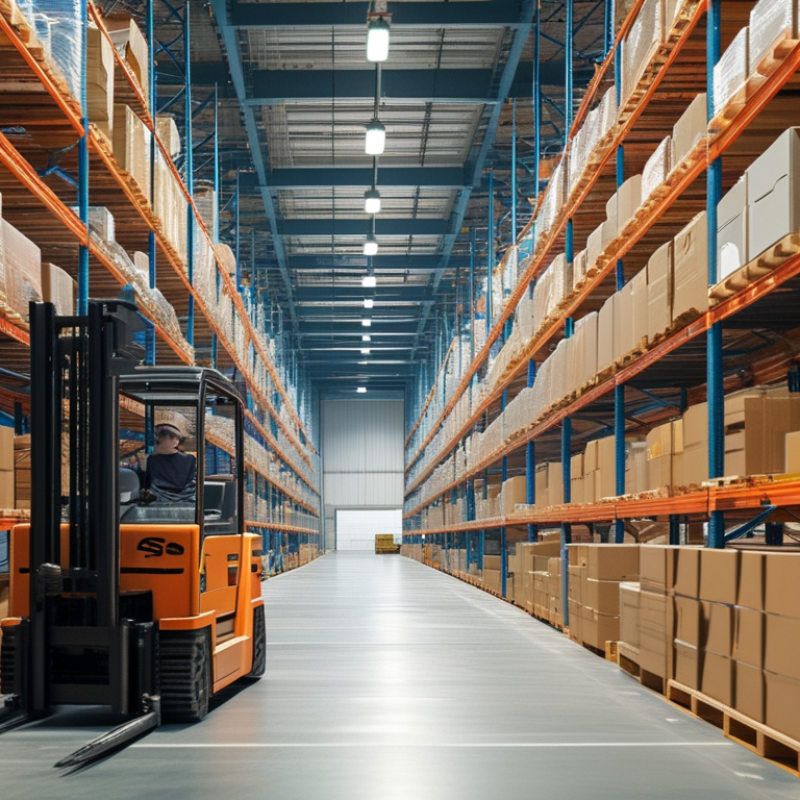
Benefits of ASRS Systems for Global Buyers
Automated Storage and Retrieval Systems (ASRS) provide significant advantages for global buyers in logistics and supply chain management.
Efficiency is a key benefit. According to the Material Handling Industry of America, ASRS can improve storage space utilization by up to 60%. This frees valuable floor space, allowing for expansion and more stock variety.
Cost reduction is another critical aspect. Implementing ASRS can lead to lower labor costs and decreased error rates. A study from the Warehousing Education and Research Council indicates that ASRS can reduce costs by approximately 30%. Additionally, these systems can enhance order accuracy, which decreases returns and boosts customer satisfaction.
Tip: Assess your current storage needs. Identify inefficiencies before considering ASRS.
While the initial investment in ASRS can be substantial, the long-term ROI often justifies the expense. Companies should reflect on their unique requirements and growth plans. Tailoring the ASRS approach can lead to better outcomes.
Tip: Consult with industry professionals. Their expertise can guide you in making informed decisions.
Enhanced Inventory Management Through ASRS Technology
Automated Storage and Retrieval Systems (ASRS) have transformed inventory management for global buyers. This technology offers real-time data access, enabling better decision-making. The precision of ASRS reduces errors in stock management. Errors can be costly, leading to inventory shortages or excesses. Moreover, ASRS can store various products, optimizing space usage in warehouses. By minimizing the physical footprint, businesses can reduce overhead costs.
Efficient inventory management enhances customer satisfaction. Timely order fulfillment is crucial in today's fast-paced market. With ASRS, retrieval times decrease significantly. Faster processing means orders are dispatched more quickly. Yet, implementing such technology requires upfront investment and staff training. Some organizations may find it challenging to adapt to this shift. Transitioning can be confusing, yet the long-term benefits often outweigh initial difficulties.
Additionally, ASRS systems provide valuable analytics. These insights help identify trends and inventory patterns. Managers can predict demand better, avoiding stockouts and surplus. However, relying solely on technology isn’t foolproof. Human oversight remains necessary to catch anomalies. Regular evaluations can improve system performance and ensure efficiency. Embracing ASRS is a step forward but requires continuous refinement for optimum results.
Improved Order Fulfillment and Customer Satisfaction
Automated Storage and Retrieval Systems (ASRS) significantly enhance order fulfillment processes. In a recent industry report, companies using ASRS reported a 30% increase in order accuracy. This rise in accuracy translates to higher customer satisfaction, as clients receive their products on time and in perfect condition. ASRS technology reduces human error associated with manual picking. This level of reliability builds trust, which is crucial for maintaining long-term customer relationships.
Improved efficiency is another critical benefit of ASRS. Reports suggest that warehouses integrating ASRS can handle up to 50% more orders in the same timeframe compared to traditional systems. Faster order processing times mean quicker deliveries. Many customers today expect speedy service. In fact, 70% of consumers indicate that they prefer retailers that can fulfill orders rapidly. However, the initial investment in ASRS can be substantial, and not all businesses may see immediate returns.
Moreover, ASRS systems are not a one-size-fits-all solution. Each warehouse has unique challenges and limitations. Companies need to conduct thorough assessments to determine if ASRS is the right fit. Some may find that the integration process is complex. This complexity can lead to short-term disruptions, as staff undergo training. Addressing these challenges is vital for maximizing the benefits of ASRS in enhancing order fulfillment and customer satisfaction.
Benefits of ASRS Systems for Global Buyers
This chart illustrates the significant benefits of Automated Storage and Retrieval Systems (ASRS) for global buyers, highlighting improvements in order fulfillment and customer satisfaction across various dimensions.
Increased Space Utilization and Efficiency in Warehousing
Automated Storage and Retrieval Systems (ASRS) are transforming warehousing. These systems optimize space utilization dramatically. They maximize vertical storage, freeing up floor space. Items are stored closer together, reducing the need for expansive warehouse layouts. This is vital in today’s economy, where real estate costs soar.
Efficiency also improves significantly. ASRS minimizes manual handling, speeding up order fulfillment. Workers spend less time searching for products. Instead, they focus on value-added tasks. Furthermore, reduction in labor hours leads to cost savings. However, it is essential to acknowledge that implementing ASRS requires upfront investment. This can be a barrier for some.
Some organizations may struggle with the integration of technology. Training employees on these systems can take time. Adaptation to new workflows is often challenging. Continuous evaluation of the system's performance is crucial too. Adjustments may be needed to ensure optimal efficiency. Despite these hurdles, the long-term benefits of ASRS for space utilization and increased efficiency can make it a worthy investment.
Scalability and Flexibility of ASRS for Diverse Business Needs
The scalability and flexibility of Automated Storage and Retrieval Systems (ASRS) are key advantages for global buyers. ASRS can adapt to various business sizes and demands, providing efficient inventory management. According to a report by the Material Handling Industry of America, companies that adopted ASRS saw a 20% increase in storage density after implementation. This efficiency is crucial for businesses with fluctuating demand.
Flexibility in ASRS design allows customization based on specific needs. Buyers can choose different configurations, such as shuttle systems, unit-load systems, or mini-load systems. Each design offers unique benefits. For example, shuttle systems are ideal for high-density storage, making them suitable for e-commerce retailers with quick turnover rates. Data from the Warehouse Education and Research Council indicates that over 60% of warehouses now incorporate ASRS technology for improved responsiveness.
However, integrating ASRS systems can be complex. Businesses must invest time in assessing their unique requirements and ongoing maintenance. While the initial costs may seem high, the return on investment typically justifies the expenditure. Proper training for staff is essential to prevent operational challenges. Continuous evaluation of the system's performance can further enhance its effectiveness. Balancing these factors is crucial for achieving long-term success in storage and retrieval operations.
Conclusion
ASRS Systems, or Automated Storage and Retrieval Systems, offer significant advantages for global buyers seeking to enhance their logistics and supply chain operations. One of the primary benefits is improved inventory management, allowing businesses to maintain accurate stock levels and streamline their storage processes. Additionally, these systems contribute to cost reduction by optimizing space and minimizing labor costs associated with manual inventory handling.
Moreover, ASRS Systems enhance order fulfillment efficiency, leading to higher customer satisfaction through faster and more accurate deliveries. They also maximize warehousing space utilization, which is crucial for businesses facing space constraints. The scalability and flexibility of ASRS Systems further enable companies to adapt to diverse operational needs and grow alongside their business demands. Overall, integrating ASRS technology can significantly transform a company's efficiency and effectiveness in managing inventory and fulfilling orders.

 Xinmiao Racking