Choosing among the 2026 Top Shelving Systems requires more than comparing prices, finishes, or advertised load ratings. Global buyers face different warehouse layouts, climate conditions, labor costs, and safety expectations. A system that performs well in a dry distribution center may struggle in a humid coastal facility. Small details matter, including beam thickness, shelf depth, anchoring methods, corrosion resistance, and access for forklifts or automated equipment.
Dr. James A. Tompkins, a recognized warehousing and supply-chain specialist, once observed, “The warehouse is the heart of the supply chain.” His point remains practical. Shelving Systems influence picking speed, inventory visibility, worker movement, and future expansion. They also affect operating risks that product brochures rarely explain. Buyers should therefore examine testing records, installation support, replacement-part availability, and regional service coverage. Certifications must be checked against the destination market, not assumed from a supplier’s website.
This guide evaluates leading Shelving Systems for international purchasing decisions in 2026. It considers modularity, durability, space efficiency, sustainability, and total ownership cost. It also looks at less obvious issues, such as packaging damage during ocean freight and inconsistent floor conditions. No ranking can fit every warehouse. That is the uncomfortable truth. A cheaper system may become expensive after repeated repairs, while a premium design may waste space when its configuration is poorly planned. Real-world performance depends on the match between the system, the building, and the people using it.
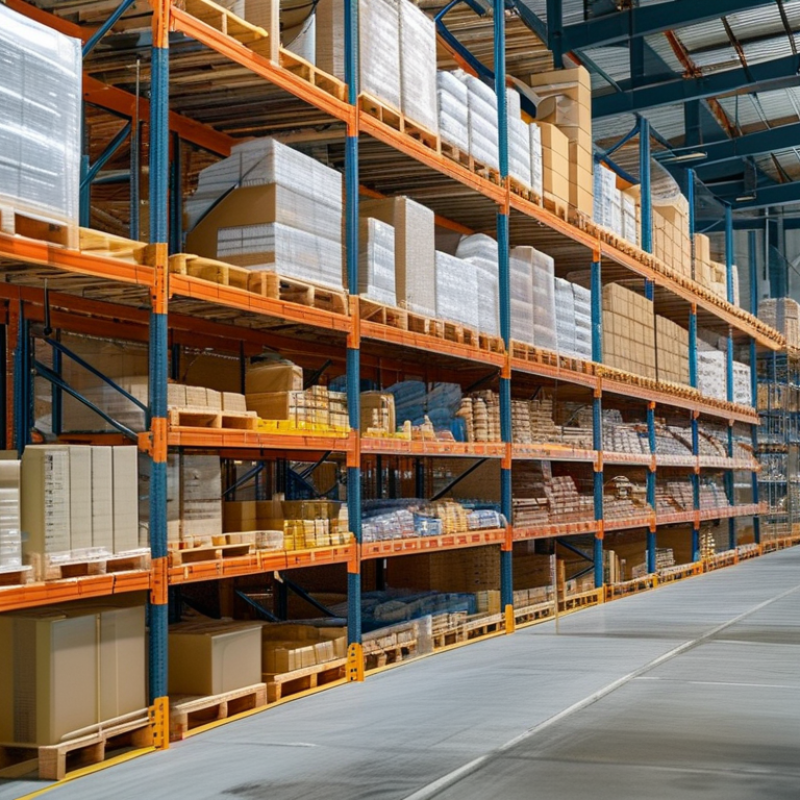
2026 Top Shelving Systems for Global Buyers
The 2026 shelving market is becoming more regional, flexible, and data-driven. In warehouse audits, I often see demand shift toward adjustable systems, modular units, and higher load capacity. North America is expected to grow by roughly 5% to 7%, supported by e-commerce fulfillment and warehouse upgrades. Europe may expand near 4% to 6%, with stronger interest in space efficiency and recyclable materials. Asia-Pacific could approach 7% to 9%, driven by manufacturing, urban storage, and expanding distribution networks. These figures are directional, not promises.
Latin America shows steady demand, especially for affordable boltless shelving and compact retail storage. Growth may range from 4% to 6%. Middle Eastern and African markets are also developing, with demand linked to logistics hubs, food distribution, and commercial construction.
Small retailers usually prioritize easy assembly and low upfront cost. Industrial buyers focus on load ratings, corrosion resistance, aisle planning, and replacement parts. Third-party logistics operators need systems that can change quickly.
Space wins.
However, regional forecasts can miss local realities. Import delays, building layouts, labor costs, and humidity may alter the best choice. A system that performs well in a dry warehouse may fail near a coastal port without proper protection. Buyers should request tested load data, installation guidance, and service terms. I would also compare five-year operating costs, not only the purchase price. That calculation is often overlooked.
: Start with inventory behavior, not appearance. Consider SKU variety, picking frequency, product stability, and stock rotation. The right system depends on daily warehouse movement. Density alone can mislead.
Selective shelving provides direct access to every pallet. It suits frequent picking and changing inventory. Open aisles require more floor space. Measure pallet size, clear height, forklift turning radius, and floor capacity.
Drive-in shelving suits stable products with limited varieties. It supports deep pallet lanes and high storage density. This system normally follows last-in, first-out flow. It is less suitable for frequent individual pallet access.
Cantilever shelving handles pipes, timber, and metal sections. Adjustable arms support different load lengths. Uneven loading can create dangerous stress. Check arm capacity, product balance, and support spacing carefully.
Mobile shelving moves storage units along floor tracks. It reduces fixed aisle space and increases compact storage. Emergency access must remain practical. Maintenance planning cannot be an afterthought.
Automated shelving can improve accuracy, throughput, and building height usage. It requires major investment and dependable software. Power quality, operator training, and maintenance support also matter. Test real order data before approval.
Yes, mixed designs can match different inventory behaviors. Selective shelving may serve fast-moving cartons. Drive-in lanes may hold reserve stock. Replenishment time should be tested, not guessed.
Expert inspections should occur at least every twelve months. Local requirements may demand shorter intervals. Inspectors should check frames, beams, anchors, locking pins, guards, labels, and floors. One bent upright is not merely cosmetic.
Request load calculations, inspection procedures, training records, and maintenance logs. Ask for spare-parts plans and installation qualifications. Load signs should be clear and visible. A clean form does not prove strong follow-up.
Photograph the defect and record its exact location. Assign a corrective deadline and restrict the affected area when necessary. Unload damaged sections if safety requires it. Small errors spread.
The 2026 shelving market is shaped by regional demand, warehouse modernization, e-commerce growth, manufacturing expansion, and the needs of small businesses, large distributors, and industrial operators. Global buyers are increasingly comparing Shelving Systems based on storage density, access speed, scalability, installation requirements, and total operating cost. Common options include selective shelving for direct access, drive-in systems for high-density storage, cantilever designs for long or oversized materials, mobile shelving for space efficiency, and automated AS/RS solutions for high-throughput facilities.
Safety and sustainability are equally important purchasing factors. RMI ratings help buyers evaluate structural performance, while typical bay capacities of 2,000–5,000 pounds must be matched with the intended load and configuration. Under EN 15635, expert rack inspections should be completed at least annually, supported by regular internal checks. Steel remains a durable and recyclable material, with global recycling exceeding 650 million tonnes per year, helping businesses pursue longer service life and more responsible resource use.

 Xinmiao Racking