2026 Best Narrow Aisle Storage Systems for Warehouses?

Time:2026-10-03 Author:Ethan
0%

Choosing the right Narrow Aisle Storage system in 2026 requires more than comparing product brochures. Warehouse conditions change daily. Pallets arrive with different weights, packaging, and dimensions. A system that performs well in a clean distribution center may struggle in a colder, busier facility.

This guide examines the leading options for narrow-aisle warehouses. It considers selective pallet racking, very narrow aisle systems, mobile racking, and automated storage solutions. Each option balances storage density, access speed, equipment costs, and operational complexity. Small details matter. A few extra centimeters of aisle space can affect forklift turning, pallet damage, and worker confidence.

Real performance depends on accurate measurements.

We will evaluate load capacity, rack height, aisle width, forklift compatibility, installation quality, and long-term maintenance. We will also consider warehouse software, barcode accuracy, and the training required for operators. These factors often receive less attention than storage density, although they influence daily results.

Some facilities may benefit from higher capacity rather than maximum density. Others may need rapid pallet access during seasonal demand. Automated systems can reduce travel time, but they may require stronger processes and more careful planning. They are not automatically the best choice.

The recommendations in this article are designed to support practical decisions, not replace professional engineering advice. Product specifications can vary by supplier, site layout, and local operating conditions. That uncertainty deserves attention. A thoughtful review should identify both the strengths and limitations of each system before investment decisions are made.
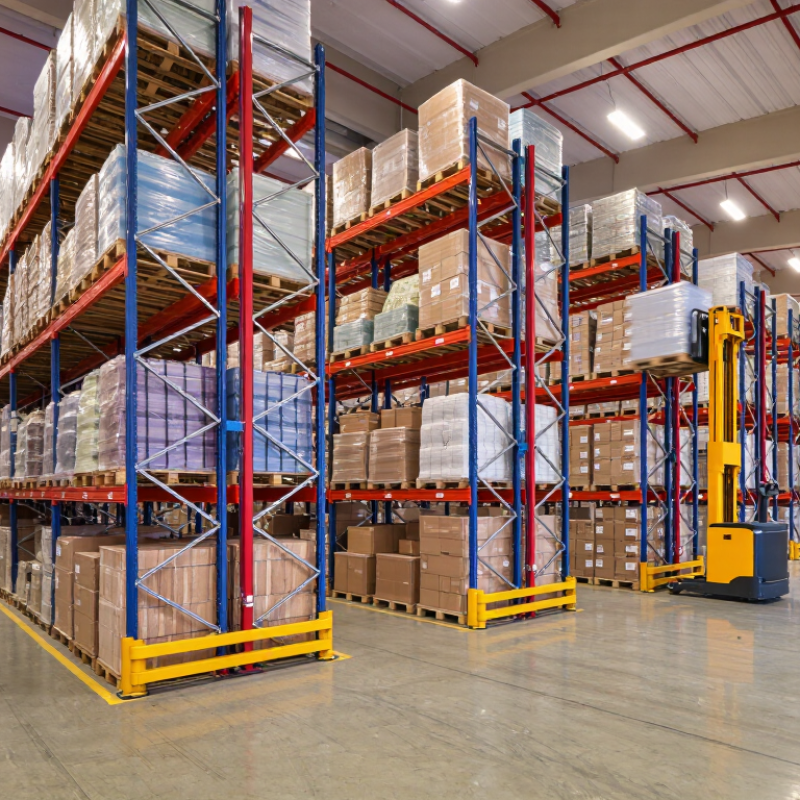
2026 Best Narrow Aisle Storage Systems for Warehouses?

Narrow-Aisle Storage Defined: 1.5–2.0 m Aisles and 30–50% More Capacity

Narrow-aisle storage is defined by working aisles measuring about 1.5–2.0 meters wide. This layout can create 30–50% more storage capacity than conventional aisles, depending on rack height, pallet size, and building columns. The gain comes from using less floor space for travel and more space for vertical storage. Every meter matters.

Practical warehouse planning requires the rack pattern to match the handling equipment. Specialized trucks need accurate guidance, stable floors, and clear turning points. Operators also need reliable visibility when placing pallets at upper levels. A small floor joint or uneven surface can slow movement and increase handling risk. Capacity calculations should include columns, emergency access, sprinkler clearance, and picking space.

The numbers are not automatic. A digital layout may show excellent density, yet daily operations can feel cramped. Field assessments often reveal blocked end aisles, mixed pallet heights, or slow replenishment routes. These details reduce the promised benefit. Measure actual pallet dimensions, travel frequency, and loading patterns before changing the system. Leave practical room for maintenance and human mistakes. That part is easy to underestimate. A well-designed narrow-aisle warehouse balances density with safe movement, dependable access, and consistent inventory control.

System Types Compared: Reach Trucks, VNA Turret Trucks, and AS/RS

In a narrow-aisle warehouse, storage density is only half the decision. Travel distance, pallet weight, rack height, and floor quality matter just as much. Reach trucks suit variable layouts and moderate aisle widths. Their extendable masts handle selective racks with useful flexibility. A 3.2-meter aisle may still allow safer turning. Space is not output. Measure real travel paths, not only the aisle drawing.

VNA turret trucks work in very narrow aisles, often around 1.6 to 2.0 meters. They lift pallets high while guided by rails, wires, or digital controls. I have seen operators gain impressive vertical capacity after minor layout changes. Yet these trucks require accurate pallet placement and disciplined pedestrian control. Uneven floors become obvious at height. Training costs are easy to underestimate. A fast truck is not automatically productive.

AS/RS offers strong automation potential for stable, repetitive flows. It can retrieve pallets consistently and reduce routine travel. However, it needs reliable software, standardized loads, and careful maintenance planning. One damaged pallet can interrupt a storage lane. My first capacity estimate was too optimistic because I ignored replenishment peaks. That mistake still matters. Before choosing AS/RS, record order patterns across several weeks, including quiet shifts and sudden volume spikes. Also check emergency access, inspection space, and recovery procedures when equipment stops.

Technical Selection Criteria: 1,000–2,500 kg Loads and 10–18 m Lift Heights

2026 Best Narrow Aisle Storage Systems for Warehouses?

Selecting a narrow aisle system starts with the real pallet, not the catalog capacity. For loads between 1,000 and 2,500 kg, verify the combined pallet, product, and container weight. Measure the load center too. A 1,500 kg load placed too far forward can reduce safe capacity significantly. At 10–18 m lift heights, mast deflection, sway, and visibility become practical concerns. The truck must reach the highest beam without forcing unstable movements.

Aisle width should match the handling equipment, pallet dimensions, and turning geometry. A few centimeters can affect productivity. Confirm the truck’s rated capacity at the required lift height, not only its maximum headline rating. Check floor flatness, slab strength, rack anchoring, and vertical clearances before installation. Uneven floors become more noticeable at tall elevations. They can also increase wheel wear and operator correction.

Rack frames need engineering records showing beam capacity, bracing, impact protection, and allowable deflection. Protect sprinklers, lights, and emergency routes during layout planning. Use independent inspections after installation and after major impacts. In my experience, teams often overestimate storage density and underestimate replenishment traffic. That calculation deserves another review. A strong design also considers battery charging space, pedestrian separation, temperature, and future pallet changes. The best specification is not always the tallest one.

2026 Best Narrow Aisle Storage Systems for Warehouses

Technical selection benchmarks for 1,000–2,500 kg loads and 10–18 m lift heights

The chart compares representative, non-brand-specific narrow aisle truck configurations. Actual capacity at height depends on load center, mast design, residual capacity, aisle width, battery configuration, and floor conditions. Confirm the manufacturer’s load chart before specifying equipment.

2026 Safety Benchmarks: Rack Protection, Guidance Systems, and 3-Point Checks

Narrow-aisle storage increases capacity, but it also reduces recovery space when a vehicle drifts. Safety planning must therefore treat rack protection, guidance systems, and operator checks as one system.

The U.S. Occupational Safety and Health Administration reports about 35,000 serious forklift injuries and 85 fatalities annually. That long-standing estimate shows why aisle discipline matters.

Steel rack guards should protect uprights at likely impact points, not merely look substantial. Anchors, floor condition, and damaged components need documented inspections. The Rack Manufacturers Institute recommends regular rack evaluations by qualified personnel, while ANSI/ITSDF B56.1 addresses powered industrial truck operation and stability.

Guidance systems can reduce steering variation in very narrow aisles. Wire guidance, rail guidance, or carefully maintained visual lines may help. They cannot correct poor speed control.

The U.K. Health and Safety Executive stresses separating pedestrians and vehicles wherever practicable. That principle still applies inside compact storage zones. Mark crossings clearly. Keep end-of-aisle visibility open.

Use a simple three-point check before each shift: inspect the truck, confirm the aisle, and verify the load.

Check tires, forks, brakes, and warning devices.

Then examine guards, uprights, beams, and floor damage.

Finally, confirm the load is stable, centered, and within rated capacity.

Three points. Not glamorous. But rushed checks create false confidence.

One weakness remains: many facilities record damage without studying its cause. A bent guard may indicate poor turning space, weak training, or an unrealistic storage layout. Safety data should lead to redesign, not just replacement.

ROI Evaluation: Space Utilization, Throughput, Energy Use, and Labor Costs

2026 Best Narrow Aisle Storage Systems for Warehouses?

Narrow aisle storage can release valuable floor space, but density alone does not prove ROI. Many facilities reduce aisle widths from 3.6 meters to nearly 2 meters. This change may increase pallet positions by 20% to 40%, depending on columns, fire lanes, and equipment clearances. Measure the full floor plan. A tighter layout can also reduce travel distance and improve throughput. Yet restricted turning space may slow inexperienced operators.

Labor remains the largest variable. The 2024 MHI Annual Industry Report found that 55% of supply chain leaders planned to increase technology investment. Use that signal carefully. Compare lines picked per labor hour, training time, equipment utilization, and overtime before and after installation. A system with higher capital cost may pay back faster when order volumes remain stable. Our first model underestimated replenishment trips. That mistake mattered.

Tips: Build a 12-month baseline before buying. Record pallets moved, travel meters, charging hours, labor hours, and picking errors. The U.S. Department of Energy’s Better Buildings guidance recommends treating lighting and charging demand as measurable warehouse energy loads. Test one aisle for four weeks. Energy savings may come from shorter travel routes, but charging demand can rise with intensive equipment use. Include maintenance, batteries, rack inspections, and downtime. A spreadsheet is useful, but it is not the warehouse.

FAQS

When are reach trucks suitable for narrow-aisle warehouses?

They suit changing layouts and moderate aisle widths. Their extendable masts support selective racks. A 3.2-meter aisle may allow safer turning. Measure real travel paths, not drawings alone.

How narrow can VNA turret truck aisles be?

They often operate in aisles around 1.6 to 2.0 meters wide. Rails, wires, or digital controls guide movement. Accurate pallet placement is essential. Training needs may be underestimated.

Does a faster truck always improve productivity?

No. Restricted turning space can slow inexperienced operators. Pedestrian control also affects performance. A fast truck is not automatically productive.

When does AS/RS work best?

It works well with stable, repetitive pallet flows. It can reduce routine travel and provide consistent retrieval. Loads should be standardized. Software reliability and maintenance planning are critical.

What can interrupt an automated storage lane?

One damaged pallet can block a storage lane. Software errors may also stop retrievals. Emergency access and recovery procedures need clear planning. Downtime is easy to underestimate.

What load details should be checked before selecting equipment?

Verify the combined pallet, product, and container weight. Loads may range from 1,000 to 2,500 kilograms. Measure the load center too. A forward load can reduce safe capacity.

What matters when lifting pallets to 10–18 meters?

Check mast deflection, sway, visibility, and rated capacity at the actual height. Floor flatness becomes more important. Uneven surfaces can increase wheel wear and operator correction. Tallest is not always best.

How should warehouse ROI be measured?

Build a 12-month baseline before buying. Record pallets moved, travel meters, charging hours, labor hours, and picking errors. Include maintenance and downtime. The spreadsheet is useful, but incomplete.

Can narrower aisles increase storage capacity?

Reducing aisles from 3.6 meters to nearly 2 meters may increase pallet positions by 20% to 40%. Columns, fire lanes, and clearances change the result. Space is not output. Replenishment traffic needs another review.

Conclusion

Narrow Aisle Storage is a practical warehouse strategy for increasing capacity where floor space is limited. By reducing aisle widths to approximately 1.5–2.0 meters, facilities can achieve 30–50% more storage capacity while maintaining organized inventory access. The main system options include reach trucks for flexible pallet handling, VNA turret trucks for high-density and high-level storage, and automated storage and retrieval systems for consistent, technology-driven operations.

Choosing the right solution requires evaluating load capacities of about 1,000–2,500 kg, lift heights between 10 and 18 meters, rack configuration, and daily throughput. In 2026, safety planning should include rack protection, reliable guidance systems, and three-point operational checks before movement. A complete ROI assessment should compare space utilization, throughput, energy consumption, equipment investment, maintenance, and labor costs. The most effective system balances capacity gains with safe operation, reliable performance, and long-term warehouse efficiency.

Ethan

Ethan

Ethan is a seasoned marketing professional with a deep expertise in our company's innovative product line. With a passion for sharing knowledge and insights, he takes the lead in regularly updating our corporate blog, where he explores industry trends, product features, and effective marketing......